Sustainable Future with Precast Concrete Technology
The construction industry is one of the primary sources of CO2 emissions globally, generating approximately 23% of the world's carbon dioxide (CO2) emissions. Concrete, the most widely used material in construction, is responsible for approximately 8% of global CO2 emissions. However, thanks to technological advancement and the pursuit of sustainable solutions, precast concrete products today offer an environmentally friendly alternative that reduces both CO2 emissions and resource consumption.
The Role of Precast Concrete in Sustainable Construction
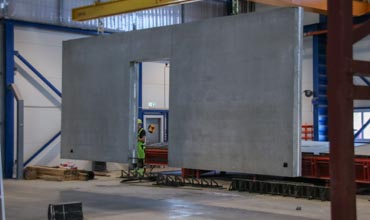
Precast concrete technology ensures that building elements are manufactured in a factory setting, allowing for precise control of material usage and reduction of waste volume. This approach not only promotes resource efficiency but also reduces the need for transportation and on-site construction work, thereby significantly reducing CO2 emissions.
Furthermore, precast concrete structures are sustainable not only during the manufacturing process but also during operation, providing high energy efficiency for buildings. This is important considering that buildings play a significant role in overall energy consumption and emissions.
Industry Trends and Sustainable Solutions
Despite the concrete industry's environmental impact, it's important to note that if other materials were used instead of concrete, CO2 emissions could be even higher. Industry trends indicate growing interest in sustainable and resource-efficient technologies.
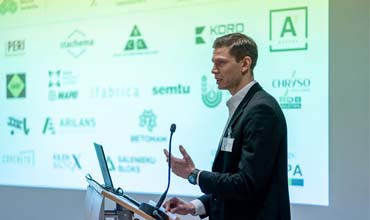
For example, at the ICCX Central Europe 2023 conference, innovations such as green cements and recycled materials were discussed, emphasizing the industry's movement toward sustainable development.
EPD and CO2 Reduction
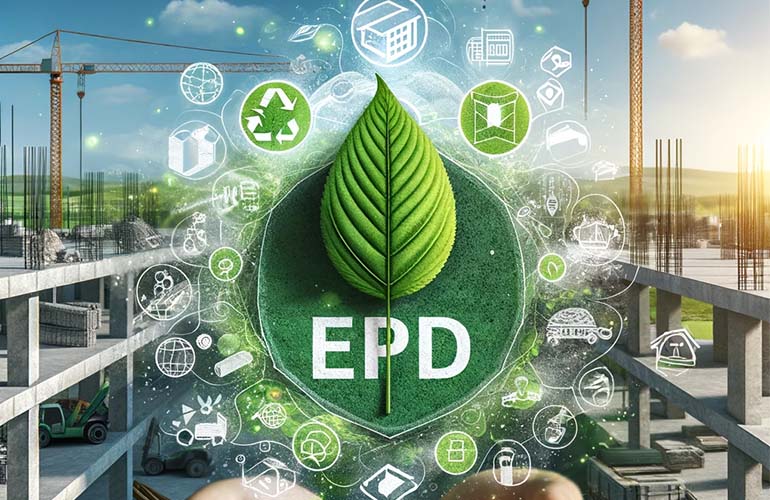
Environmental Product Declarations (EPD) have become an important tool that helps understand and reduce the environmental impact of construction projects. EPDs provide detailed information about a product's or system's environmental impact, including CO2 emissions, resource consumption, and waste generation. EPDs for precast concrete products can help builders and designers make more informed choices, moving toward environmentally sustainable construction projects.
What's Happening in Latvia?
In Latvia, SCHWENK is an example of sustainable construction materials manufacturing, using 90% alternative fuels at the Brocēni cement plant. This approach significantly reduces CO2 emissions and protects the environment.
Investments in new technologies and process improvements allow SCHWENK to reduce CO2 emissions by 35% compared to previous values. These efforts make the company an industry leader in CO2 impact reduction.
"For example, SCHWENK Latvia uses household and industrial waste as alternative fuel, promoting high-quality cement production without generating additional waste."
Precast concrete technologies and sustainable manufacturing practices, along with innovative approaches to material use, are a step closer to our common goals in fighting climate change. Latvia already demonstrates today that the construction materials industry can be both efficient and environmentally friendly, creating a sustainable future for all of us.