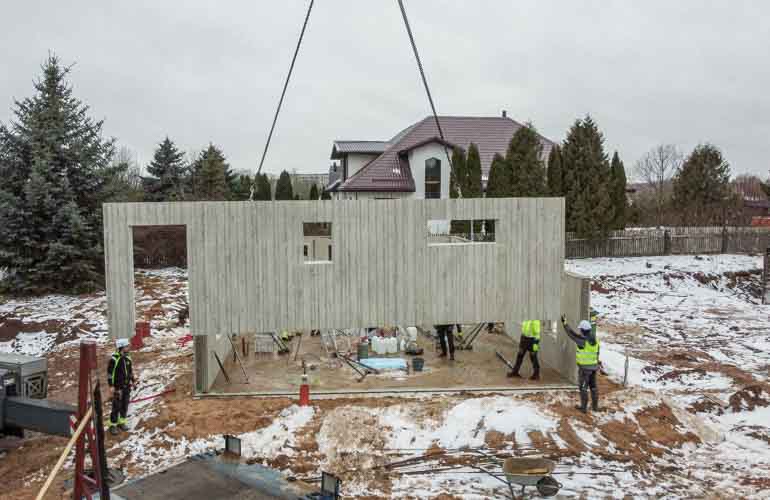
Reinforced Concrete Wall Elements
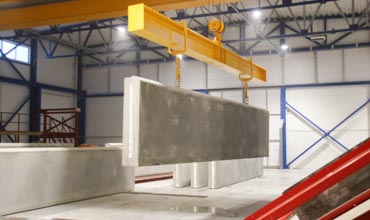
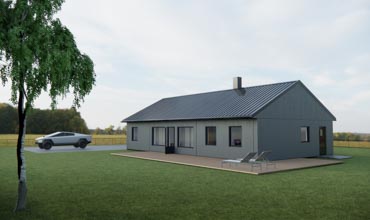
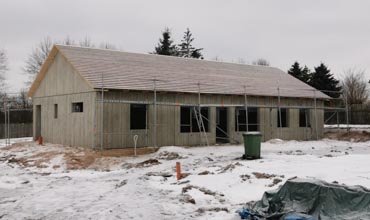
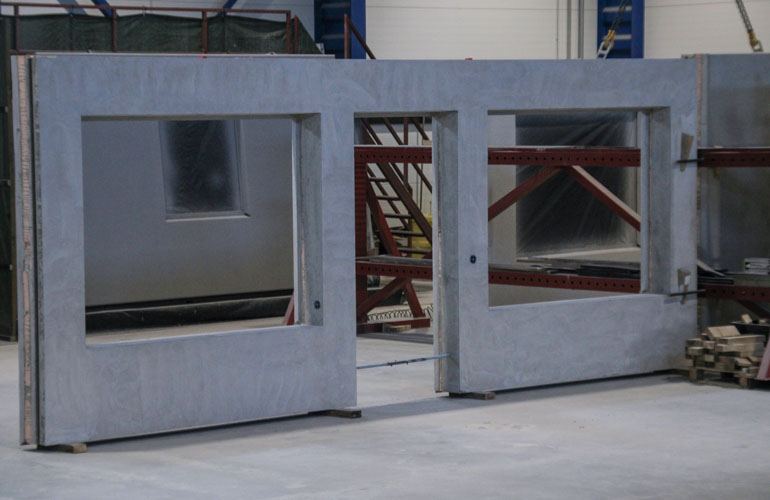
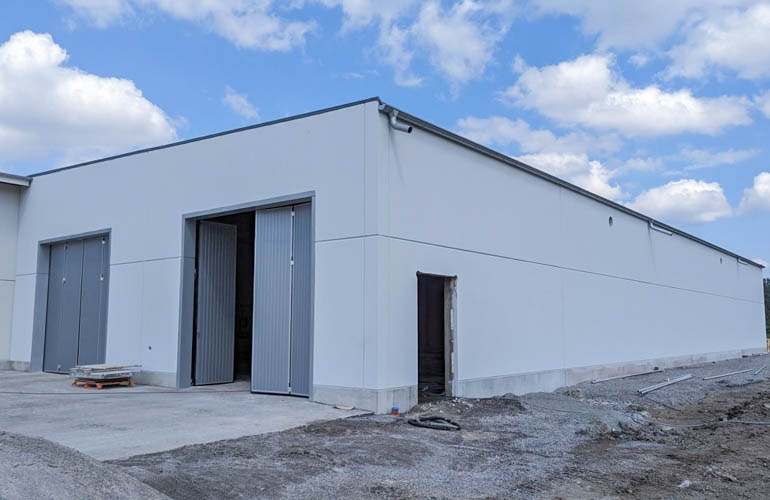
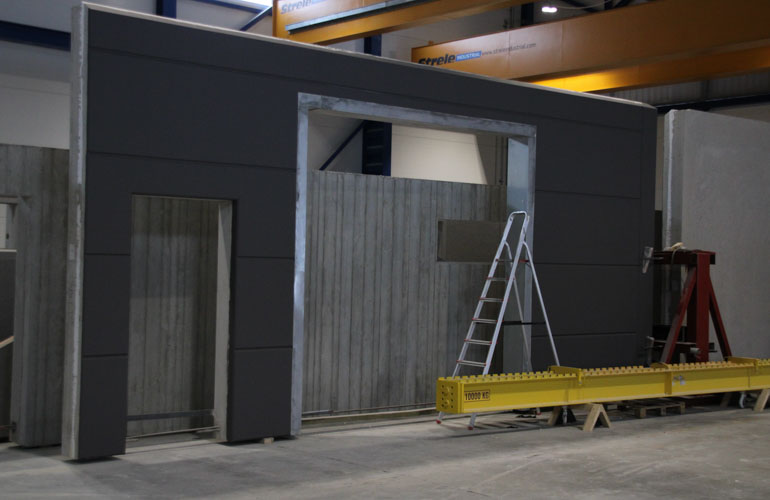
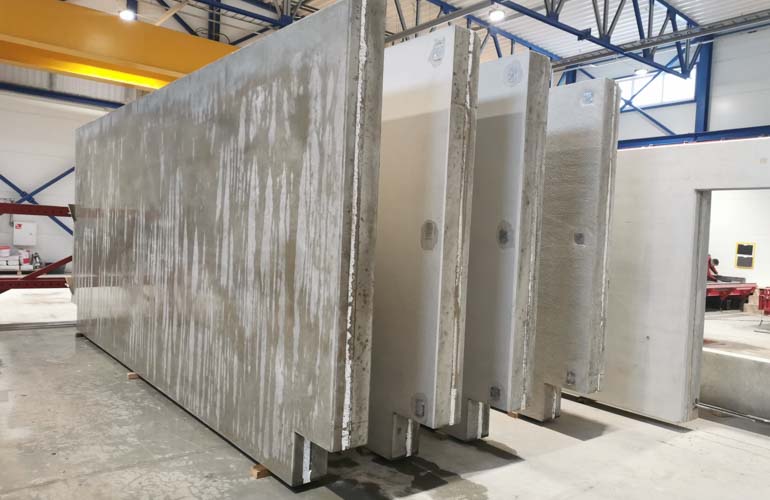
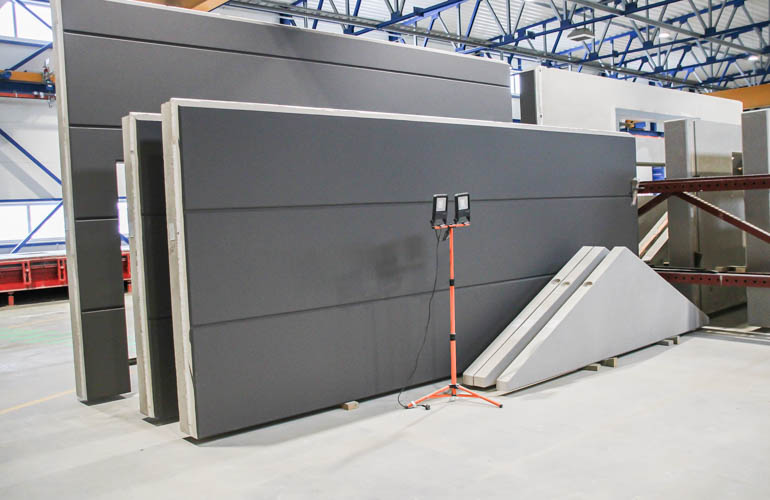
Precast concrete wall elements are widely used in various building constructions, providing a fast and efficient construction process. These elements are ideally suited for both residential buildings and industrial structures, thanks to their high mechanical durability, good thermal insulation properties and ability to efficiently integrate various technical systems.
Applicable Standards
The production and application of precast concrete wall elements is regulated by several standards that ensure their quality and safety. These standards include:
- EN 13670 ("Execution of concrete structures"), which sets requirements for the execution of concrete structures.
- EN 14992 ("Precast concrete products. Wall elements"), specifically designed for wall elements, setting requirements for their design and production.
Wall Types and Their Application
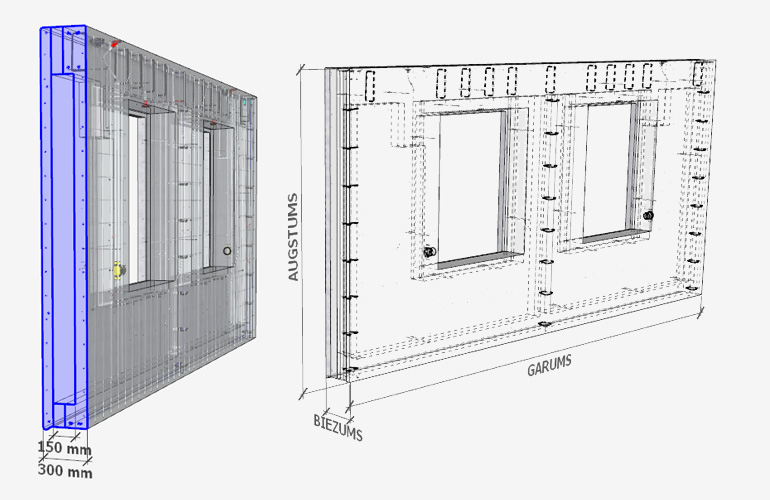
Precast concrete wall elements have three main types that differ in their construction and application:
- Single-layer wall elements: These elements are used mainly for interior partitions or architectural structures where thermal insulation is not a primary requirement. Single-layer wall elements provide structural integrity and simplicity in installation.
- Double-layer wall elements: Ideally suited for buildings that require additional thermal insulation or are designed for ventilated facades. The double-layer system allows integration of thermal insulation together with one concrete layer.
- Three-layer wall elements: These elements offer the highest level of thermal insulation and are used for building facades where high energy efficiency is required. Three-layer wall elements consist of two concrete layers with thermal insulation material integrated between them, providing excellent thermal insulation and acoustic insulation properties.
Facade Finishing Technologies
Facade finishing for precast concrete wall elements offers wide possibilities that meet modern architectural requirements and technical specifications:
- Exposed concrete This technology allows showing the natural texture and color of concrete, giving the building an industrial and modern appearance. Exposed concrete facade is sustainable and easy to maintain.
- Painted concrete: Concrete painting allows creating a uniform and durable color surface that can maintain its aesthetic appearance for a long time, despite external influences.
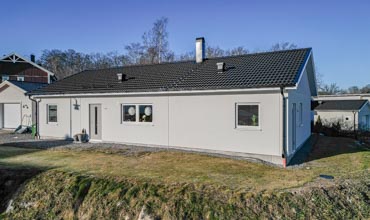
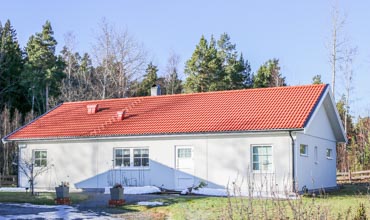
- Plaster in various tones: Plaster is one of the most widely used facade finishing materials, providing both aesthetics and protection against external conditions. It is available in various tones, allowing adaptation of the building's appearance to specific design needs.
- Integrated bricks: Brick integration into wall elements provides a traditional facade appearance with the advantages of modern construction technology.
- Textures with rubber or other type matrices: Modern manufacturing technologies allow creating various textures using rubber or other type matrices, providing unique and visually attractive facade finishing.
Thermal Insulation Materials
Thermal insulation is an essential component of precast concrete wall elements that ensures building energy efficiency. The following thermal insulation materials are commonly used:
- Polystyrene (EPS): Widely used due to its good thermal insulation properties and low cost.
- Rock wool: Usually used in places where higher fire safety requirements exist. Cost and thermal conductivity similar to EPS insulation.
- Polyurethane foam (PIR, PUR): Offers higher thermal insulation efficiency compared to EPS and rock wool, but is more expensive.